Burnout and Depression: Two Sides of the Same Coin or Two Entirely Different Coins?

Everyone’s felt it before—extreme fatigue, the overwhelming feeling of exhaustion, and no motivation to do anything—yes, it’s burnout. The use of the word burnout has skyrocketed in the last decade due to more and more people are feeling the pressure to be productive in a society that judges people on their productivity. Interestingly, the number of cases of depression has also skyrocketed in the last decade. This could be due to many reasons: the increase in mental health awareness, or simply that our world is getting more and more stressful by the day.
Current Literature
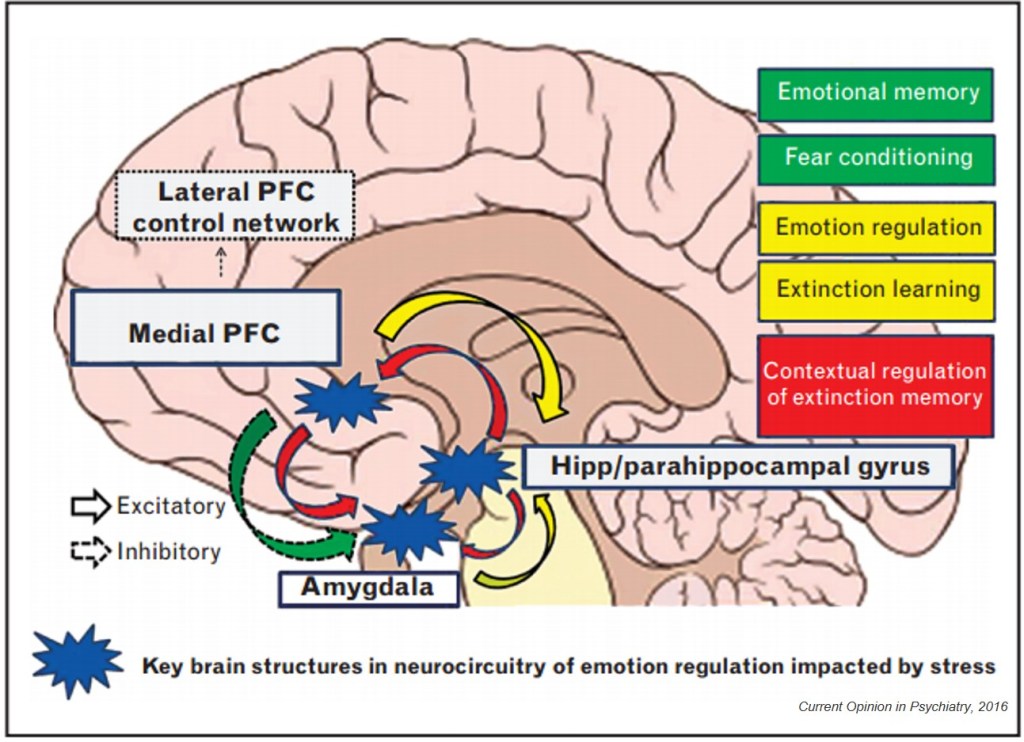
Many different studies have all concluded the same results: the result of burnout is cognitive and biological deficit. Cognitively, the results show a drastic drop in nonverbal memory and auditory and visual attention. Other studies have shown that burnout also causes the inability to regulate negative emotions. Biologically, this occurs due to an overactive amygdala, the fear and stress processing center. The overactive amygdala causes patients to be overly sensitive, especially to negative emotions. Ultimately, it’s easy for burnt out patients to feel like everything is stressful because their amygdala is telling them so. People who experience more burnout have an enlarged amygdala and more connectivity to the insula and reduced connectivity to the prefrontal cortex. In patients with depression, many of these cognitive deficits are the same: exhaustion, irritability, inability to focus. The biological effects are very similar as well: in a depressed patient, the amygdala is enlarged and hyperactive and the prefrontal cortex is abnormally functioning because the amygdala is too active. In both depression and burnout, hippocampal neurons slowly degenerate and die because of the amygdala’s hyperactivity. The amygdala puts stress on the HPA Axis which produces glucocorticoids in response to stress. Too many glucocorticoids cause neuronal death in the amygdala, hippocampus, and prefrontal cortex. Both conditions are essentially vicious cycles and positive feedback loops that keep running.
My Research
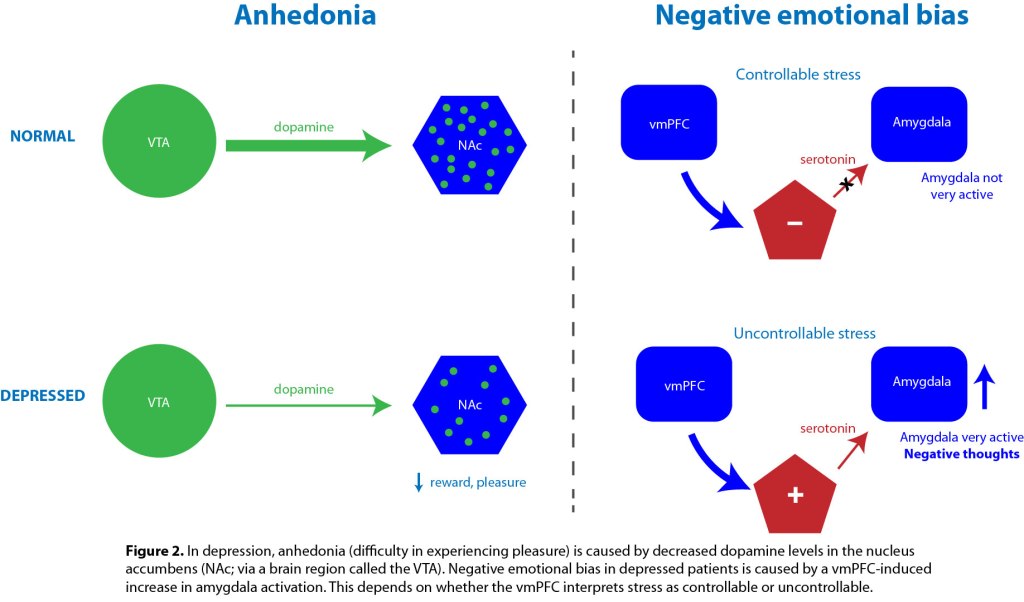
In my research, I will be investigating the differences between depression and burnout using cognitive and biological frameworks. Cognitively, the main difference between depression and burnout is the fact that in most cases, burnout can be managed by removing occupational stress. However, in depressed patients, managing symptoms is much more complicated. Biologically, many of the HPA stress processes are the same, however, there is one key process that is mentioned in many depression research articles, but not in burnout research articles: the reward system. In depressed patients, there is less dopamine in the brain and it seems to affect the brain less effectively, causing anhedonia. The nucleus accumbens in the depressed patient is also less active and smaller, making it harder to feel rewarded. For burnout patients, I cannot conclude that the reward system changes because there is a lack of research. In the next section, I will explore future steps.
Future Research Proposals
To better understand the biological underlying of burn out, I will study the dopamine reward system in burnt out patients. I will use neuroimaging to examine the size and activity in the nucleus accumbens compared to healthy controls. Previous literature has stated that depressed patients need more of a reward to activate the nucleus accumbens. Therefore, I will use a monetary reward game to highlight differences in the reward system.
To better understand the cognitive underlying of burnout, I will compare burnt out teachers, healthy non-burnout teachers, and previously burnt out but now healthy teachers who have all taught at the same school. This study was inspired by Linden et al. 2005–they conducted a similar study with teachers who were burnt out to the point of quitting their job, burnt out but still working at the school, and non-burnt out teachers. If the main difference cognitively between depression and burnout is the occupational stress, then I would like to explore if the teachers who were given a break from their teaching felt closer to the non-burnt out teachers or if there are some lingering cognitive deficits that impacted the brain on a long term scale.
The Bigger Picture
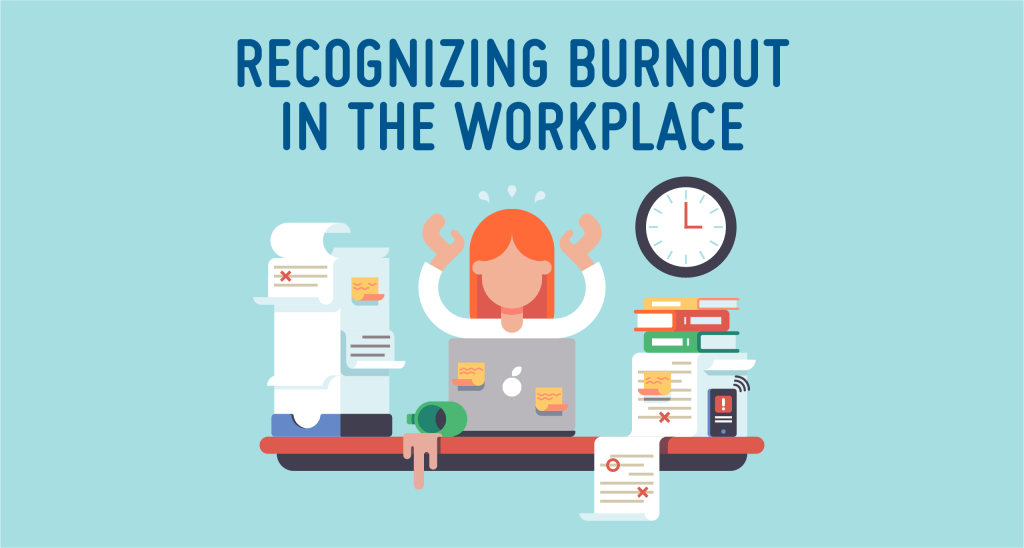
In many helping professions, especially healthcare field, healthcare provider wellness is patient wellness. I think that this research needs to be surfaced and the true effects of burnout need to be addressed. If burnout is truly something we can manage by managing the occupational stress, we need to do more and create systems that support providers. Researchers’ and providers’ voices have weight and with burnout research in tandem with provider stories of burnout, I think that the case for having systems in place for burnt out providers is strong. I want my fellow graduate students to think about their own burnout and recognize burnout in your workplace. I want more people aware of burnout around them and to notice the systems, or lack thereof, in their workplace that are targeted towards reducing burnout and speak out and address these issues within their own organizations. Ultimately, the provider cannot effectively provide for the patient unless the provider is well.
References
Admon, R., & Pizzagalli, D. A. (2015). Dysfunctional reward processing in depression. Current Opinion in Psychology, 4, 114-118.
Blix E, Perski A, Berglund H and Savic I (2013). Long-Term Occupational Stress Is Associated with Regional Reductions in Brain Tissue Volumes. PLOS One 8(6): e64065. doi:10.1371/journal.pone.0064065
Depression and the brain. (2018, July 4). Retrieved from https://qbi.uq.edu.au/brain/brain-diseases/depression/depression-and-brain.
Eriksson, P. S., & Wallin, L. (2004). Functional consequences of stress‐related suppression of adult hippocampal neurogenesis–a novel hypothesis on the neurobiology of burnout. Acta Neurologica Scandinavica, 110(5), 275-280.
Herman JP and Cullinan WE (1997). Neurocircuitry of stress: central control of the hypothalamo-pituitary-adrenocortical axis. Trends Neurosci 20(2):78-84. doi: 10.1016/S0166-2236(96)10069-2
Linden, D. V. D., Keijsers, G. P., Eling, P., & Schaijk, R. V. (2005). Work stress and attentional difficulties: An initial study on burnout and cognitive failures. Work & Stress, 19(1), 23-36.
Sandström, A., Rhodin, I. N., Lundberg, M., Olsson, T., & Nyberg, L. (2005). Impaired cognitive performance in patients with chronic burnout syndrome. Biological psychology, 69(3), 271-279.
 Neuroscience with Kay